How to Measure the GSM of Non-Woven Bags
Non-woven bags have become an everyday packaging choice in retail, promotions, and eco-friendly campaigns. One important factor that decides their quality and performance is GSM. This simple measurement reveals how thick and durable the fabric is. Understanding GSM helps businesses choose the right bag for their products, while also giving end users a clear idea of strength and reusability.
What is GSM?
GSM stands for Grams per Square Meter.
It describes the weight of the fabric spread over one square meter of surface.
- Higher GSM → fabric is thicker, stronger, and more durable.
- Lower GSM → fabric is lighter, softer, but can tear more easily.
Think of it like paper. A 60 GSM notebook page feels thin and bends quickly, while a 120 GSM art sheet is thick and holds its shape. Non-woven bags follow the same principle.
Why GSM Matters for Non-Woven Bags
GSM is not just a technical term—it directly affects how a bag feels and performs. For businesses, choosing the right GSM makes a difference between a bag that promotes quality and one that fails during use.
- Durability: High GSM bags can carry more weight without breaking.
- Appearance: Thicker fabric gives a premium look, often preferred for gifts or branding.
- Customer Satisfaction: Bags that last longer improve brand reputation.
- Cost-effectiveness: The choice of GSM, however, depends largely on the intended use and budget. Higher GSM bags are better for long-term or heavy-duty applications, while lower GSM bags are more economical and suitable for short-term or budget-limited needs. Ultimately, which GSM is better depends on your specific needs.
Selecting the right GSM means balancing strength, cost, and usability.
How to Measure GSM: Step by Step
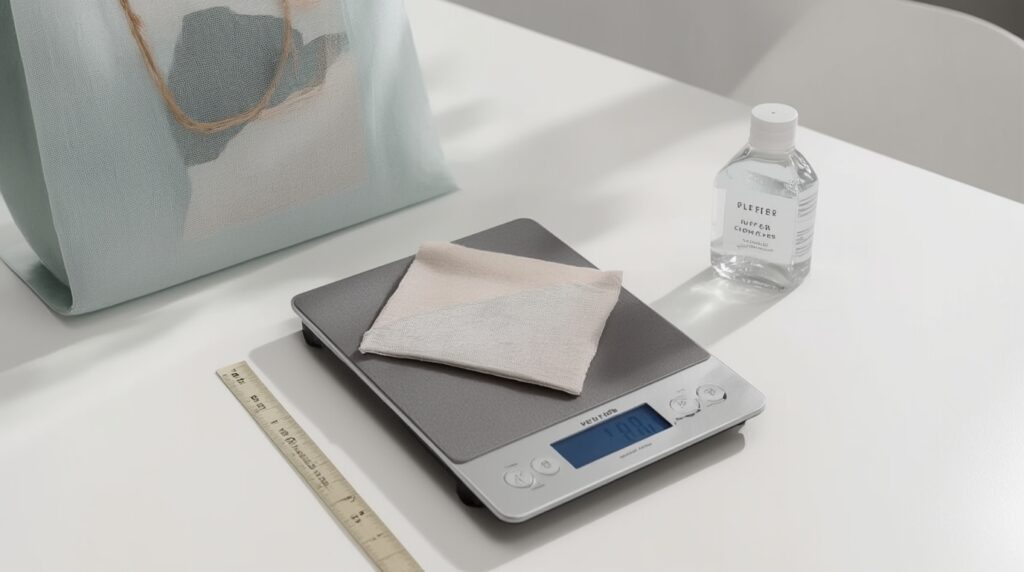
Measuring GSM is a straightforward process. Manufacturers and quality inspectors often use it to ensure fabric consistency. Here is the basic method:
- Prepare the Fabric Sample
- Cut a square piece of the non-woven fabric (usually 10 cm × 10 cm for easy calculation).
- Ensure the edges are clean and even.
- Weigh the Sample
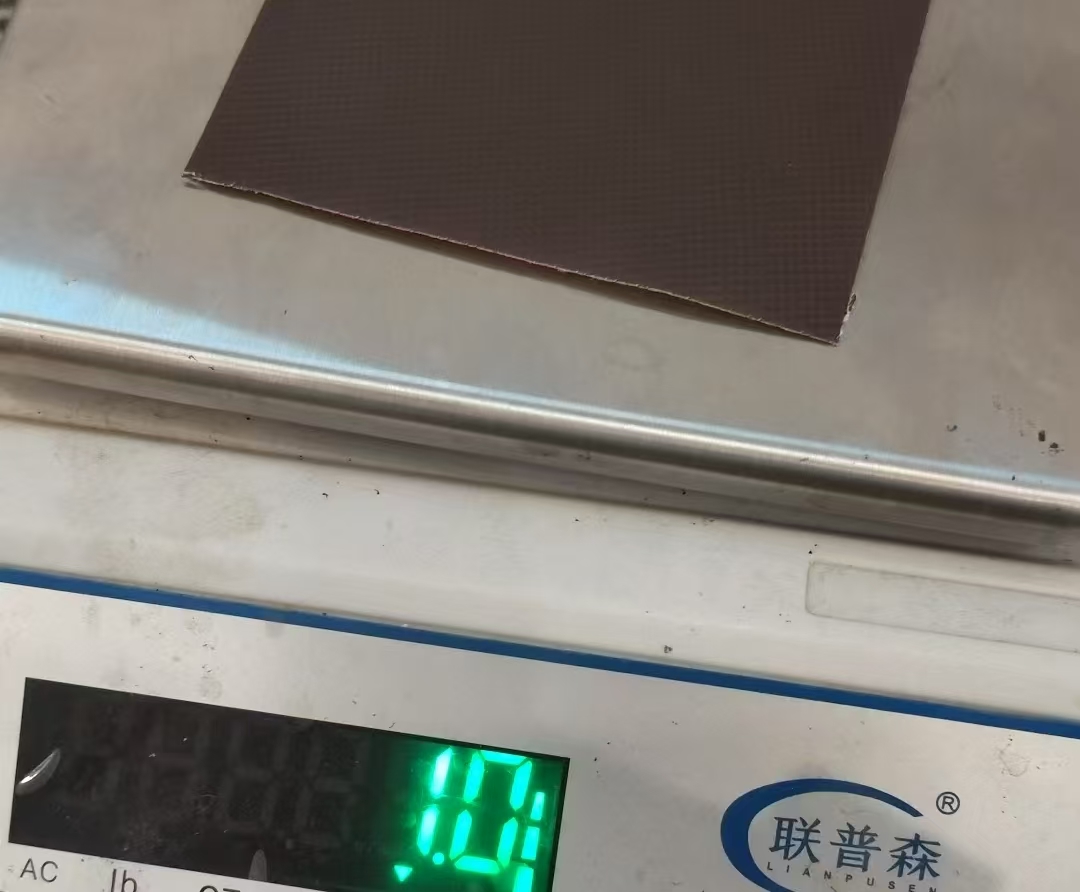
- Use a precise digital scale that can measure in grams.
- Record the weight carefully.
- Calculate the GSM
-
- Convert the sample’s weight into grams per square meter.
- Formula:
GSM = (Sample Weight (grams) × 10,000) ÷ Area (cm²)
Example:
A 10 cm × 10 cm fabric sample has an area of 100 cm². If it weighs 2 grams, the GSM is:(2 × 10,000) ÷ 100 = 200 GSM
That means the non-woven bag is made from 200 GSM fabric.
-
Practical GSM Ranges in Non-Woven Bags
Different GSM levels are used for different bag purposes:
- 60–80 GSM → lightweight, budget-friendly bags, often used in supermarkets.
- 90–120 GSM → medium strength, suitable for retail shops and promotions.
- 130–150 GSM → stronger bags, often for books, clothes, or corporate gifts.
- 150+ GSM → premium quality, heavy-duty use, reusable many times.
This range is not fixed but gives a practical guideline for selection.
Photo Example
Demonstration of fabric cutting and weighing on a digital scale
Tips for Accurate GSM Measurement
- Use the right scale: A kitchen scale may not be accurate enough. A digital lab scale is preferred.
- Test more than one sample: Measuring different parts of the fabric ensures reliability.
- Avoid moisture: Wet fabric weighs more, leading to incorrect results.
- Handle gently: Do not stretch the fabric before weighing, as this changes density.
How Businesses Benefit from GSM Testing
For manufacturers, GSM is a quality control tool. Consistent GSM means consistent product quality. For buyers, GSM testing offers transparency—no guesswork when choosing bag strength.
- Retailers avoid complaints from customers about torn bags.
- Wholesalers can confidently market bags with clear specifications.
- Corporate buyers can align bag quality with brand image.
A simple GSM measurement saves cost, reduces waste, and builds trust.
Conclusion
GSM may sound like a small detail, but it defines the strength, look, and lifespan of non-woven bags. Measuring it is easy: cut, weigh, calculate. Yet this simple step ensures that bags are reliable, cost-effective, and suited for their intended use.
For businesses and customers alike, understanding GSM means making smarter choices in packaging. After all, a bag that breaks under weight not only fails its purpose but also damages brand reputation. With GSM measurement, quality speaks for itself.
📩 For inquiries about non-woven bags or custom solutions, contact: [email protected] | WhatsApp: +86-13868368539