What Is A Takeout Bag: A Complete Guide
Outline
1. What is a Takeout Bag?
2. The True Meaning Behind the Name
3. Why Takeout Bags Matter
4. A Short Story of the Takeout Bag
5. How the Takeout Bag Evolved
6. Types of Takeout Bags
7. The Structure & Materials
8. Why Restaurants Rely on Takeout Bags
9. The Future of Takeout Bags
10. Final Thoughts
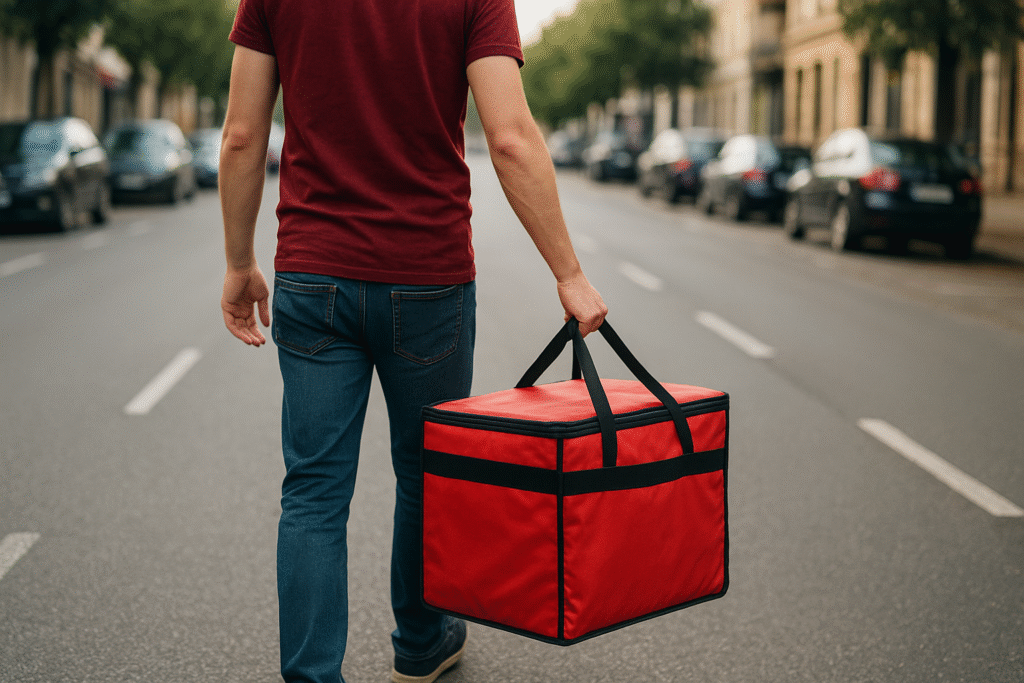
For decades, the takeout bag has been a quiet companion in our fast-moving cities. It sits behind the counter of cafés, rides on the back of delivery bikes, and appears at home doorsteps every day. Though simple in shape, the takeout bag carries a deeper role in modern life. It protects meals, delivers warmth, and connects the restaurant to the customer long after the kitchen door closes. From humble paper sacks used by early street vendors to today’s insulated carriers engineered for long-distance delivery, the takeout bag has evolved with the rhythm of how people enjoy food.
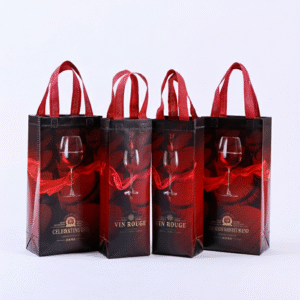
A takeout bag is, at its core, a purpose-built carrier for prepared meals. Restaurants rely on it to hold boxes, drinks, soups, fried foods, desserts, and everything in between. But its purpose goes beyond transportation. It keeps food clean, prevents spills, maintains temperature, and gives brands a chance to present themselves in a simple but powerful way. In cities where delivery has become a daily habit, the takeout bag is no longer a small detail—it is an essential part of the dining experience.
Today, factories like JiaRong design and manufacture takeout bags for businesses across the world. Each bag is made with the same idea in mind: meals should arrive safely, cleanly, and pleasantly. That simple belief keeps the takeout bag relevant, useful, and surprisingly important in daily life.
1. What Is a Takeout Bag?
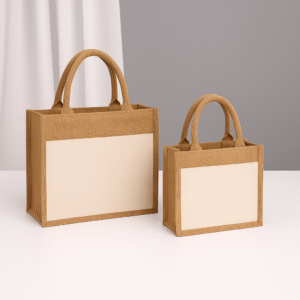
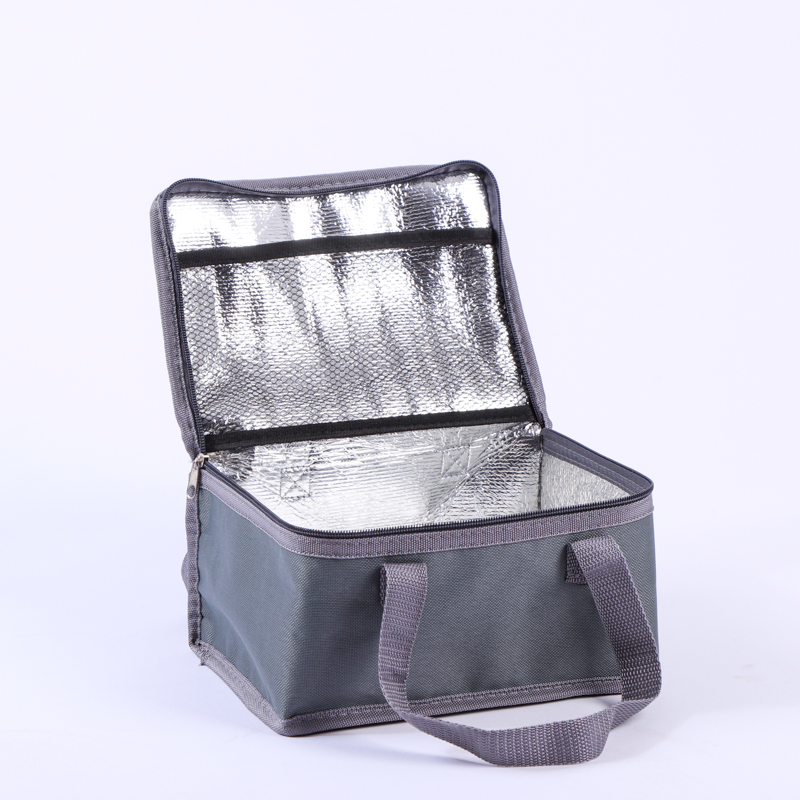
A takeout bag is a soft-sided carrier used for takeaway meals and food delivery. It can be made from kraft paper, plastic film, non-woven fabric, PP woven material, or insulated laminated layers. Different restaurants choose different styles, but the goal is always the same: to carry food securely between kitchen and customer.
Most takeout bags share three traits:
- ● Wide opening for fast packing
- ● Reinforced bottom to support heavy containers
- ● Comfortable handles for short-distance carrying
Though it looks simple, every part of the bag is designed with purpose—organization, safety, hygiene, and brand presentation.
2. The True Meaning Behind the Name
The name “takeout bag” comes from the idea of “taking food out” of the restaurant. As more people chose not to dine in, restaurants needed a way to send food home. Bags became the easiest answer. Over time, the term grew from a literal description to a category of food packaging with specific performance expectations.
Today, when someone says “takeout bag,” it no longer refers only to the action but to a family of products designed for:
- ● Speed
- ● Protection
- ● Temperature control
- ● Food safety
- ● Brand identity
It is a simple name for an important tool in the food service chain.
3. Why Takeout Bags Matter
Takeout bags matter because they shape the customer’s first impression of the meal. Before the dishes are opened, before the aroma escapes, before the first bite is taken, the bag is the first contact point. A torn handle, a leaking bottom, or a flimsy structure can ruin the entire experience.
A good takeout bag:
- ● Protects the food
- ● Keeps the meal upright
- ● Maintains warmth or coldness
- ● Displays the restaurant’s visual identity
- ● Improves the overall dining experience
Restaurants that understand this treat the takeout bag not just as packaging, but as part of their service.
4. A Short Story of the Takeout Bag
Imagine a small family restaurant on a busy winter evening. The kitchen is warm, the door keeps opening, and orders are flying in. Workers pack noodles, fried rice, soup, and snacks into sturdy kraft paper bags. Drivers come in, grab the orders, and hurry out into the cold.
Two miles away, a customer opens the door. Steam rises from the containers. Everything is still warm. The bottom of the bag is still dry. The handles didn’t break. The meal feels cared for—even before it is tasted.
This simple moment happens thousands of times every day across the world.
That small moment is the story of the takeout bag.
5. How the Takeout Bag Evolved
The history of the takeout bag follows the evolution of cities and modern eating habits.
● Early Days
Food vendors relied on thin paper sacks—cheap, clean, and easy.
● Fast Food Era (1970s–1990s)
Restaurants introduced branded kraft paper bags. Logos, colors, and slogans turned bags into marketing tools.
● Delivery Boom (2000s–2020s)
People began ordering more than ever. Bags needed:
- Stronger handles
- Larger capacity
- Leak-resistant layers
- Insulation for temperature control
● Eco & Hygiene Era (Today)
Markets demand sustainable and safe materials. Takeout bags are now judged on:
- Environmental impact
- Food contact safety
- Reusability
- Heat retention performance
Factories like JiaRong use automation and clean production systems to meet these expectations.
6. Types of Takeout Bags
There is no single “standard” takeout bag. Instead, there are several categories:
1. Kraft Paper Takeout Bags
Eco-friendly, sturdy, widely used for restaurants, bakeries, and coffee shops.
2. Non-Woven Takeout Bags
Reusable, strong, low cost, popular for chain restaurants with high takeaway volume.
3. Plastic Film Bags
Water-resistant and suitable for oily foods or soups.
4. PP Woven or Laminated Bags
Heavy-duty, ideal for large meal sets, frozen foods, or promotional packaging.
5. Insulated Takeout Bags
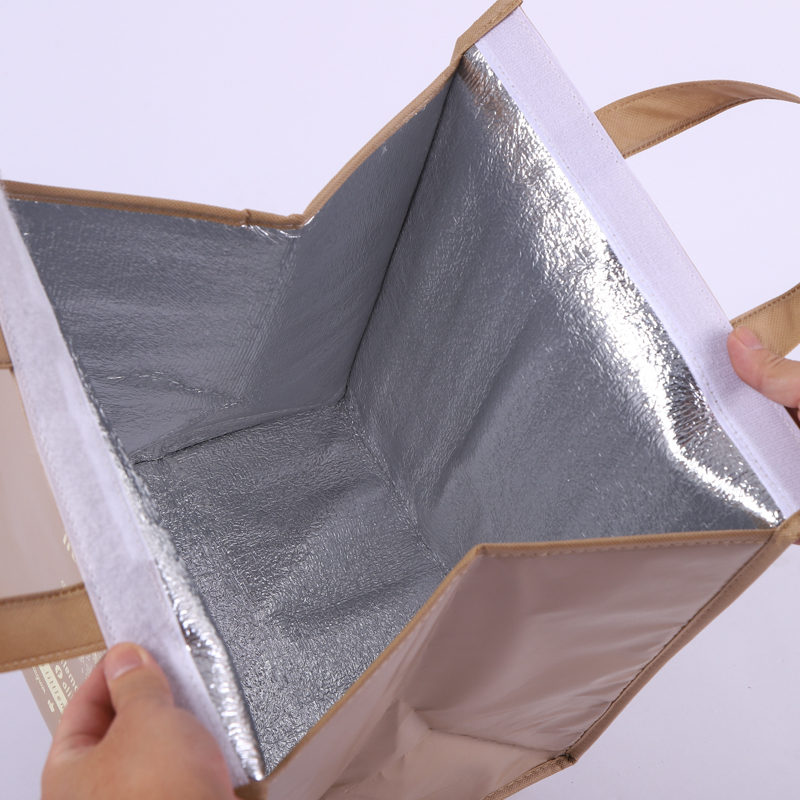
Layered with foam or aluminum for heat retention, often used for long-distance delivery.
Each type serves a different business model—fast packing, heavy loads, long distances, or branding needs.
7. The Structure & Materials
A takeout bag is a simple idea built from carefully selected components. Each material brings different strengths:
- Kraft Paper
Natural look, rigid structure, printable surface, ideal for bakery/café use. - Non-Woven Fabric
Lightweight, tear-resistant, reusable, cost-effective. - PP Woven
Durable, heavy-load support, lamination allows better printing. - Insulated Laminated Layers
Maintain temperature, reflect heat, reduce moisture transfer. - Handles & Bottom Boards
These decide whether the bag feels premium. Reinforced handles and strong stitching show care and professionalism.
8. Why Restaurants Rely on Takeout Bags
Restaurants depend on takeout bags because they affect both operations and customer satisfaction.
A great takeout bag:
- ● Speeds up packing
- ● Reduces leaks and complaints
- ● Protects brand reputation
- ● Improves food safety
- ● Enhances customer experience
- ● Encourages repeat orders
- ● Helps restaurants stand out
In the delivery era, the bag is part of the meal.
9. The Future of Takeout Bags
The future of takeout bags is shaped by new expectations:
- ● Sustainability — recycled fibers, reusable materials
- ● Automation — cleaner, more consistent production
- ● Temperature Performance — better insulated structures
- ● Customization — stronger branding and printing
- ● Global Compliance — safe materials, certified factories
Factories like JiaRong will continue upgrading materials and processes to meet global standards.
10. Final Thoughts
The takeout bag is more than a container.
It is a small but essential part of modern food culture.
Whether made of paper, non-woven fabric, or insulated layers, the takeout bag connects restaurants and customers with safety, cleanliness, and comfort. As delivery becomes a daily habit, this simple tool becomes increasingly meaningful.
For factories like JiaRong, the mission stays the same:
create bags that carry meals safely, cleanly, and proudly from kitchen to home.
For customized insulated bags or bulk orders, contact:
📧 Email: [email protected]
📱 WhatsApp: +86-13868368539
Trusted by global clients, JiaRong Packaging provides reliable thermal and non-woven bags that keep food safe, clean, and ready for daily use.