What Is a Cinch Bag? A Practical Guide for Custom and Wholesale Buyers
A cinch bag may look simple at first glance. It is often just a soft fabric pouch with two strings. But behind this simple shape is one of the most practical ideas in bag design: secure items with one pull.
From gyms and schools to trade shows and retail packaging, cinch bags are used everywhere. They are light, easy to make, easy to carry, and easy to brand. For many B2B buyers, cinch bags are not only a bag. They are a marketing tool, a reusable package, and a cost‑controlled product.
This article explains what a cinch bag is, how it is made, what materials are used, and how brands choose the right type for different markets.
What Is a Cinch Bag?
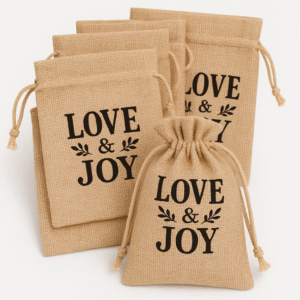
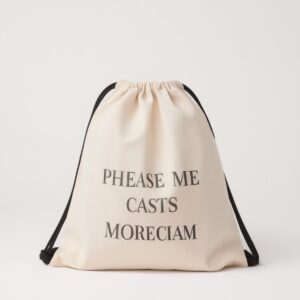
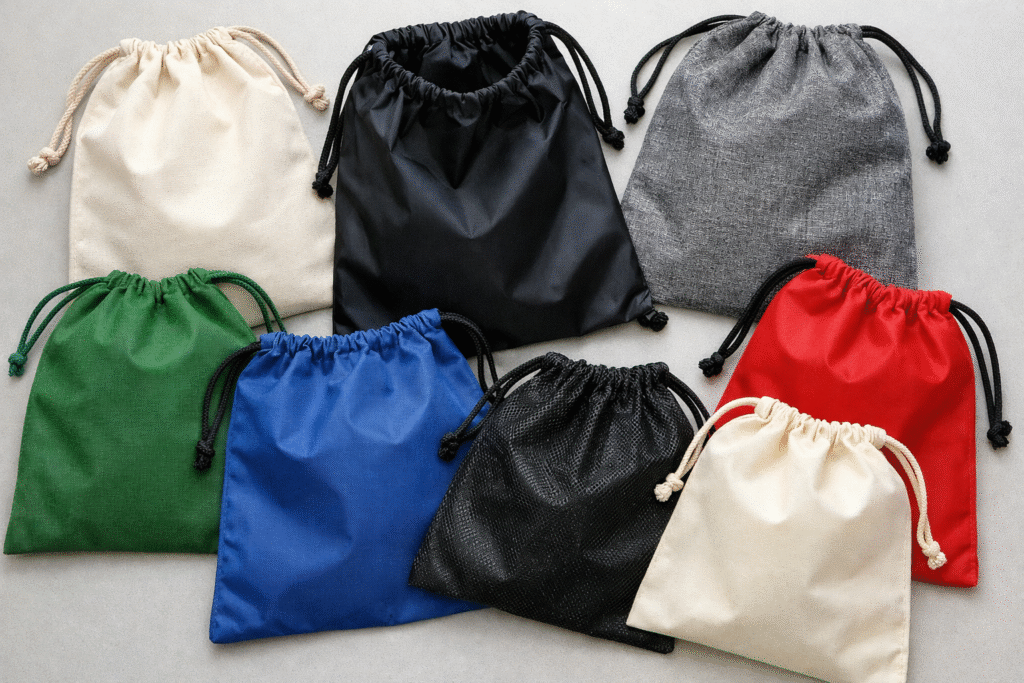
A cinch bag is a lightweight, soft-sided bag that closes by pulling drawstrings at the top. When the strings are tightened, the opening “cinches” closed to keep items secure. These same strings usually function as shoulder straps, allowing the bag to be carried on the back.
In commercial and manufacturing contexts, a cinch bag is generally understood as a design-focused type of drawstring bag, rather than a separate product category. The term is widely used in export, sports, and promotional markets to describe drawstring bags developed for frequent daily use, higher load tolerance, and consistent branding performance, especially in large-volume orders.
Key Characteristics of a Cinch Bag
- Single main compartment
- No zippers, buckles, or hard frames
- Closure and straps combined into one system
- Lightweight and foldable
- Easy to customize with logos or prints
This structure makes cinch bags very different from backpacks or tote bags. They focus on speed, simplicity, and flexibility.
Basic Structure of a Cinch Bag
Although designs vary, most cinch bags share the same basic construction logic.
Main Components
- Fabric body
Usually one folded panel or two stitched panels - Top hem / cord channel
A sewn tunnel that holds the drawstrings - Drawstrings
Nylon, polyester, cotton, or rope cords - Reinforced corners or grommets
Reduce tearing at stress points
This simple structure keeps production efficient and reduces material waste.
Common Uses of Cinch Bags
Cinch bags are popular because they adapt easily to different industries.
Typical Applications
- Gym and fitness bags
- School and sports activity bags
- Trade show and event giveaways
- Retail gift packaging
- Travel and beach use
- Promotional marketing campaigns
Use Case Comparison Table
| Use Scenario | Main Purpose | Common Material |
|---|---|---|
| Gym & Fitness | Shoes, towels, clothing | 420D–600D Nylon |
| Promotional Events | Brand exposure | Polyester / RPET |
| Retail Packaging | Reusable shopping bag | Cotton Canvas |
| Travel / Beach | Light secondary bag | Waterproof Nylon |
| School / Kids | Lunch or sports gear | Polyester |
Because they are reusable, cinch bags often stay in daily use long after an event ends. This gives brands repeated exposure at very low cost.
What Materials Are Used to Make Cinch Bags?
Material choice directly affects durability, price, appearance, and brand image. Below are the most common materials used in cinch bag production.
1. Nylon
- Lightweight and strong
- Naturally water‑resistant
- Smooth surface
- Available in 210D, 300D, 420D, 600D
Best for: sports, outdoor use, travel
2. Polyester
- Excellent color stability
- Cost‑effective for large orders
- Good print performance
- Slightly stiffer than nylon
Best for: promotional and corporate branding
3. Cotton Canvas
- Natural fiber
- Breathable and reusable
- Matte, premium appearance
- Heavier than synthetic fabrics
Best for: retail, lifestyle, eco‑focused brands
4. RPET (Recycled Polyester)
- Made from recycled plastic bottles
- Similar performance to polyester
- Supports sustainability claims
- Compatible with modern printing
Best for: eco campaigns and responsible brands
5. Mesh and Specialty Fabrics
- Mesh for ventilation
- Oxford fabric for structure
- Coated fabrics for waterproofing
- Reflective materials for safety
Best for: specific functional needs
Material Comparison Table
| Material | Durability | Water Resistance | Print Quality | Eco Level | Cost |
|---|---|---|---|---|---|
| Nylon | High | High | Good | Low | Low–Medium |
| Polyester | Medium–High | Medium | Very Good | Low | Low |
| Canvas | Medium | Low | Medium | High | Medium–High |
| RPET | Medium–High | Medium | Very Good | High | Medium |
| Mesh / Oxford | Medium | Low | Medium | Medium | Medium |
How Are Cinch Bags Manufactured?
In professional bag manufacturing, cinch bags are treated as reusable soft bags, not disposable pouches. This affects material choice, stitching standards, and quality control requirements.
Cinch bags are designed for efficient mass production. The process is simple but controlled.
Step 1: Fabric Cutting
- Fabric is cut by machine or die
- Sizes are standardized
- Reinforcement pieces are prepared
Step 2: Printing
- Screen printing
- Heat transfer printing
- Sublimation (for polyester)
- Embroidery (for premium designs)
Printing is usually done before sewing to ensure accuracy.
Step 3: Sewing and Assembly
- Side seams stitched
- Top hem folded to form cord channels
- Corners reinforced
Step 4: Drawstring Installation
- Cords threaded through channels
- Cross‑loop system created
- Length adjusted for comfort
Step 5: Inspection and Packing
- Stitching checked
- Print quality confirmed
- Bags folded and packed
Customization Options for Cinch Bags
Cinch bags are highly customizable, which is why they are popular in B2B markets.
Common Custom Options
- Bag size and shape
- Fabric type and thickness
- Color matching (Pantone)
- Logo placement
- Printing method
- Drawstring material and color
- Labels, tags, or packaging
A well‑designed cinch bag balances visibility with everyday usability.
Why Cinch Bags Work Well for B2B Buyers
Cinch bags are not just cheap items. They are efficient tools.
Key B2B Advantages
- Low production cost
- Easy bulk shipping
- High branding exposure
- Broad user acceptance
- Simple compliance for export
They are especially effective for large campaigns where unit cost and delivery speed matter.
How to Choose the Right Cinch Bag
Before placing an order, buyers should consider three questions.
1. How Will It Be Used?
- Sports → nylon or mesh
- Daily carry → Oxford or polyester
- Retail gift → canvas or RPET
2. What Is the Budget?
- Giveaways → polyester
- Corporate gifts → canvas or RPET
3. What Brand Message Is Needed?
- Practical → simple print
- Premium → embroidery
- Eco‑focused → RPET labeling
Choosing the right combination prevents wasted budget and poor user experience.
Why Many Brands Work with Experienced Cinch Bag Manufacturers
In large-scale cinch bag production, small structural details often decide whether a product feels reliable or disposable. Stitch density, cord thickness, corner reinforcement, and print consistency all influence how long a bag stays in use.
Factories with long-term experience in fabric bags, non-woven bags, and promotional packaging usually manage these details more consistently, especially for export markets where quality stability is critical.
Brands that cooperate with manufacturers such as JiaRong Packaging often focus less on short-term unit price and more on overall production control, including:
- Stable sourcing of nylon, polyester, canvas, and RPET fabrics
- Clear explanations of structure, material trade-offs, and cost impact
- Familiarity with EU and US market quality expectations
- The ability to scale from sampling to bulk production without design changes
This type of manufacturing partnership helps brands reduce risk, maintain brand image, and deliver cinch bags that are actually reused — not quickly discarded.
Final Thoughts
The cinch bag has lasted for decades because it solves a basic problem in a simple way. It carries essentials, closes fast, and costs little to produce.
As materials improve and sustainability becomes more important, cinch bags continue to evolve. For brands that need a flexible, reliable, and proven bag solution, the cinch bag remains a smart and practical choice.
📧 Email: [email protected]
📱 WhatsApp: +86-13868368539