How Much Weight Can a Non-Woven Bag Hold?
Non-woven bags are widely used for shopping, groceries, and everyday items. They are lightweight, reusable, and environmentally friendly. Many people ask: how much weight can a non-woven bag actually carry? Knowing this helps choose the right bag and prevents tearing or handle damage.
Factors That Affect Load Capacity
The weight a non-woven bag can carry depends mainly on three factors:
1. GSM (Fabric Weight)
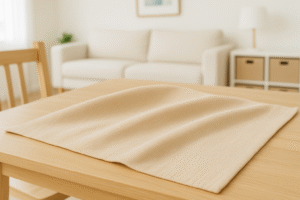
GSM means grams per square meter, showing how thick the fabric is. A higher GSM usually means stronger fabric. For example, a 90 GSM bag can hold more than a 50 GSM bag.
2. Handle Design
Handle width and attachment are key. Wide handles spread weight better and reduce stress. Thin or short handles are more likely to tear under heavy loads.
3. Stitching or Bonding
Most non-woven bags use ultrasonic welding instead of sewing. The top is strong, but sides or corners may be weaker. Ultrasonic bonding works fast but has limited stress tolerance.
A Practical Test
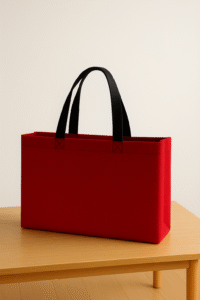
Here is an example with a ready-made clothing bag.
Video Placeholder: Watch the bag test below.
A bucket of water, about 12.9 liters (around 20–25 jin), can be lifted easily. If the bag is overfilled, side handles may shift. Even though the top part is strong, the sides are slightly weaker. Proper weight distribution is important for safety.
Customization to Increase Strength
For heavier items, non-woven bags can be customized:
- Fabric Weight: Choose higher GSM for more strength.
- Handle Design: Reinforced or double-layered handles improve load capacity.
- Bag Size: Larger bags reduce stress by letting items sit comfortably.
Even without customization, these bags are sufficient for carrying clothes, food, or small groceries. Avoid overloading to prevent tearing or handle failure.
Daily Usage Tips
- Avoid Overfilling: Even strong bags have weak points on sides or corners.
- Distribute Weight Evenly: Place heavy items at the bottom, light ones on top.
- Check Handles: Thin handles work better with two hands or split items into two bags to avoid tearing.
- Store Properly: Avoid folding or keeping the bag wet, which can weaken fabric.
Non-woven bags are durable, but their strength depends on thoughtful use. By understanding GSM, handle design, and stitching, users can select the right bag for each situation.
Conclusion
Non-woven bags are strong, lightweight, and reusable. They can carry more than most people expect, especially with thicker fabric and reinforced handles. For daily shopping, clothes, or food delivery, they usually meet the required strength. Proper use, careful filling, and choosing the right size maximize durability.
Understanding the bag’s structure helps prevent accidents and ensures safe carrying. Next time someone asks “how much can a non-woven bag hold?”, you can explain that it depends on fabric weight, handle design, stitching, and proper usage.
For more product information or customization, contact Effie at [email protected] or WhatsApp: +86-13868368539.