
What Canvas Is Made Of and Its History: A Complete Guide
Canvas is one of the most recognizable fabrics in the world. Strong, versatile, and timeless, it has been used for centuries in sails, tents, bags, and clothing. Today, canvas still holds its place as a trusted material for packaging, fashion, and even art. But what exactly is canvas made of, and how has it evolved through history?
What Is Canvas?
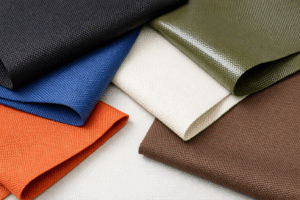
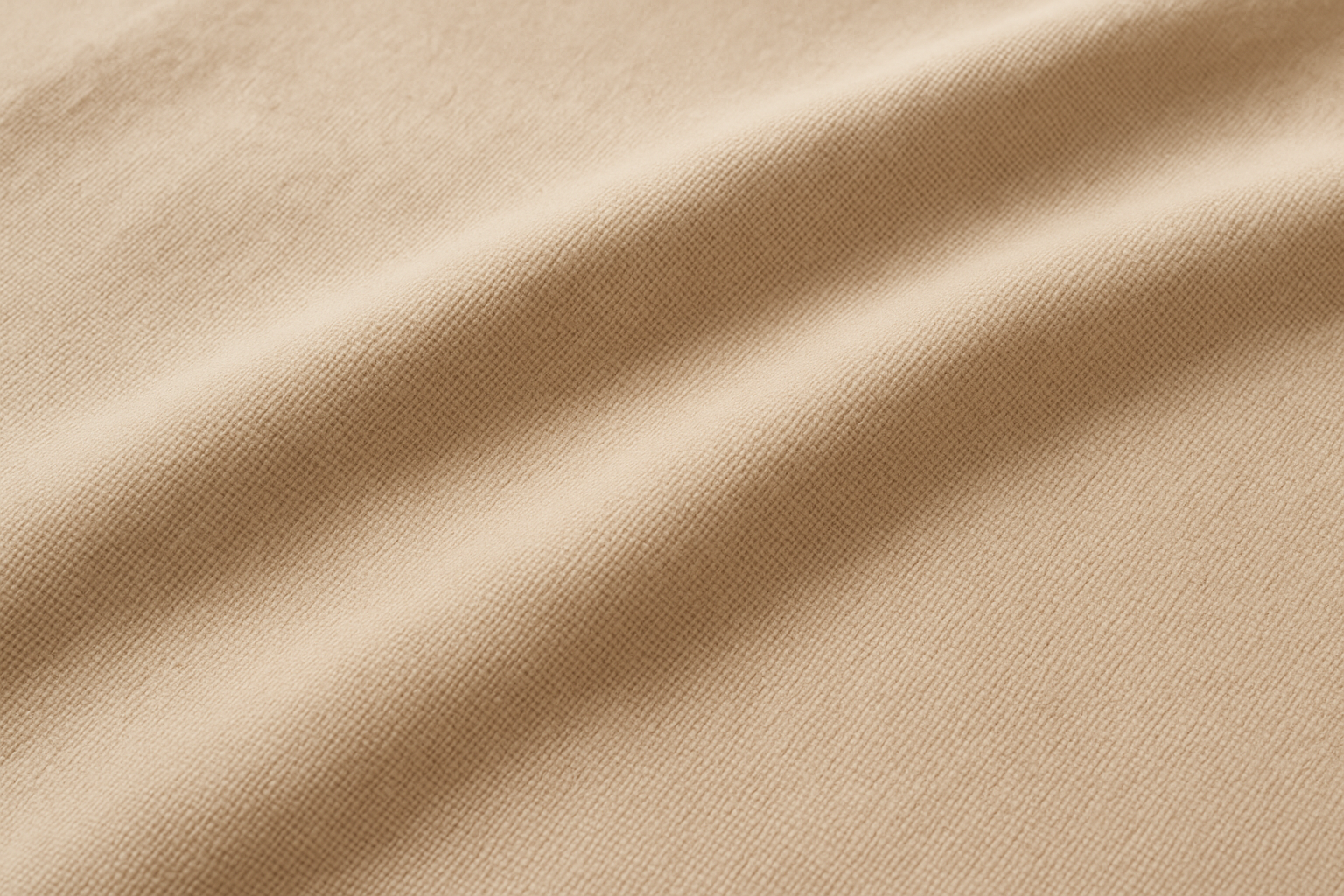
Canvas is a plain-woven fabric known for its durability and heavy-duty strength. Unlike fine textiles with complex weaves, canvas is made using a simple crisscross pattern. This tight weave gives it the ability to resist tearing and carry heavy loads.
Modern canvas is typically made from cotton or linen, but it has also adopted synthetic blends like polyester for added weather resistance. Depending on the finish, canvas can be left raw, dyed, coated with wax, or laminated for water protection.
The Materials Behind Canvas
- Cotton: The most common base for canvas today. Cotton fibers make canvas flexible, affordable, and easy to dye. It is widely used in tote bags, backpacks, and casual shoes.
- Linen: Historically the first material for canvas. Linen, made from flax, is stronger than cotton and naturally smooth. It was the choice for early sails and artist canvases.
- Synthetic Blends: Polyester or nylon is often mixed with cotton to increase resistance against moisture, mold, and UV light. These blends are popular for outdoor gear and industrial use.
- Treated Canvas: Waxed canvas is cotton canvas soaked in wax for water repellence. It is often seen in rugged outdoor bags and jackets, offering both durability and vintage charm.
A Brief History of Canvas
The story of canvas stretches back thousands of years. Its name comes from the Latin word “cannabis”, because early versions were made from hemp fibers. Hemp was valued for its strength, and in ancient times it was the go-to material for sails and ropes.
- Ancient Use: Sailors in ancient Egypt, Greece, and Rome relied on hemp canvas to power ships. Its toughness allowed long voyages and shaped global trade.
- Medieval Period: In Europe, canvas became essential for tents, work clothing, and paintings. By the 14th century, artists were stretching linen canvas for oil paintings — a practice still alive today.
- Age of Exploration: From the 15th to 18th centuries, hemp and linen canvas made the great sailing expeditions possible. Ships like those of Columbus and Magellan carried canvas sails across oceans.
- 19th to 20th Century: Cotton gradually replaced hemp as it became easier to produce on a large scale. Canvas entered everyday life in bags, shoes, and uniforms.
- Today: While hemp is returning as a sustainable option, cotton remains the mainstay. Blended and treated versions have extended canvas into fashion, art, and industry.
Why Canvas Remains Popular
- Durability: Canvas is built to last, resisting wear and tear.
- Versatility: From fine art to workwear, it adapts to different needs.
- Eco Options: Natural fibers like cotton, linen, and hemp offer sustainable choices.
- Timeless Look: Whether plain, dyed, or printed, canvas always carries a simple and natural charm.
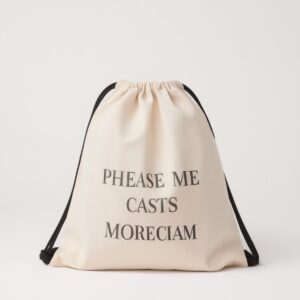
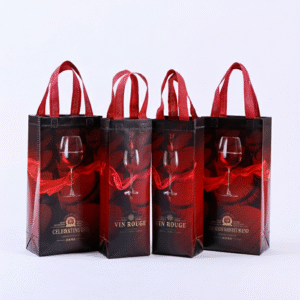
Think of canvas as a bridge between the past and present. What once helped ships conquer oceans now helps modern consumers carry groceries in eco-friendly bags.
Conclusion
Canvas is more than just a fabric — it is a symbol of practicality and endurance. Made from cotton, linen, hemp, or blends, it continues to evolve while keeping its traditional strength. Its history, stretching from ancient sails to modern bags, shows why canvas remains a material that the world cannot do without.
For businesses, canvas is not only reliable but also a storytelling material: it connects modern packaging to centuries of human progress.
For inquiries about canvas bags and sustainable packaging solutions, contact: [email protected] | WhatsApp: +86-13868368539