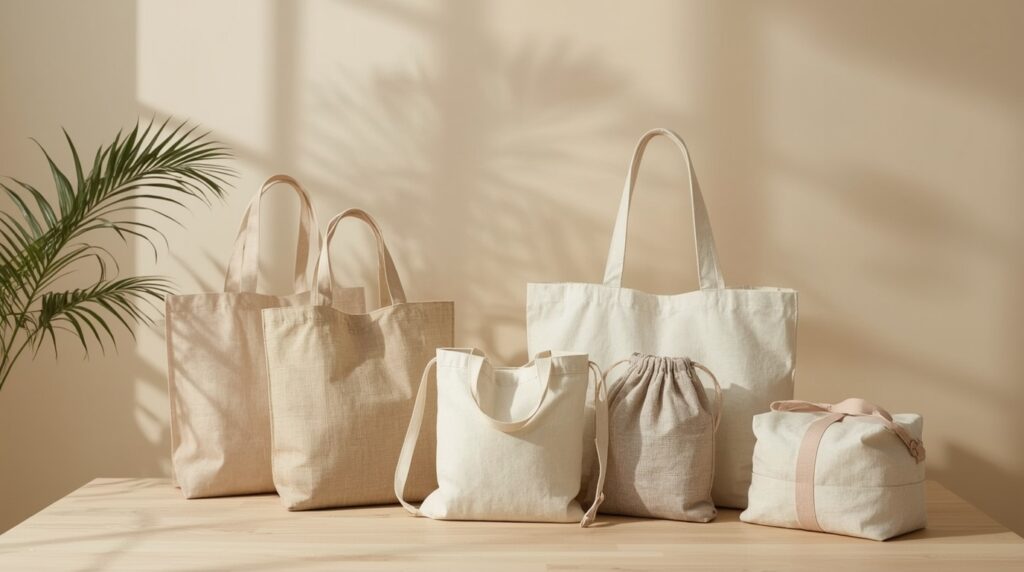
5 Ways Eco-Friendly Packaging Materials Help Retailers Succeed in 2025 and Beyond
📘 Overview Summary
- Eco-friendly materials help retailers meet 2025 sustainability regulations.
- Natural fibers and recycled textiles strengthen retail branding.
- Upcycling and bio-based innovations improve differentiation.
- Reusable bags reduce long-term cost and increase loyalty.
- Insulated bags optimize cold-chain categories and premium goods.
## 1. Eco-Friendly Materials Help Retailers Meet 2025 Global Rules
Retailers heading into 2025 face stricter packaging regulations across the EU, UK, and parts of the US. Eco-friendly materials are now the safest pathway for global compliance.
Common compliant materials include:
- Recyclable kraft paper
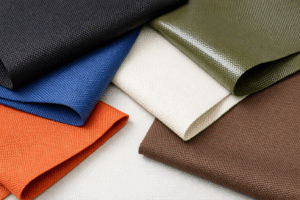
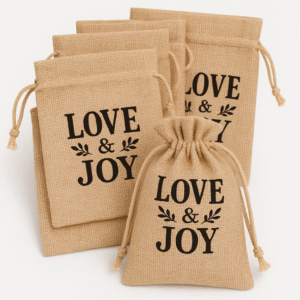
- rPET non-woven
- Recycled cotton
- Low-carbon PP woven bags
These materials reduce compliance risks related to plastics, chemical restrictions, and traceability demands.
2024–2025 market signals show buyers prefer packaging that supports ESG reporting and reduces regulatory pressure.
Eco-friendly packaging is no longer a trend—it is a risk-management tool.
## 2. Natural Fibers & Recycled Textiles Strengthen Brand Value
Retailers benefit when packaging reflects modern sustainability values. In 2024–2025, consumers pay more attention to materials with clear, understandable origins.
Materials driving retail storytelling:
- Organic cotton
- Linen
- Hemp
- Recycled cotton
- rPET
- Recycled polyester blends
Industry signals backing this trend
- Stella McCartney has consistently promoted organic cotton and recycled fibers since early 2000s.
- Over 30+ international brands joined Textile Exchange’s 2025 Sustainable Cotton Challenge, raising expectations for responsible sourcing.
- The 2025 Trader Joe’s tote bag craze shows how even simple natural-fiber bags can drive massive consumer demand.
Consumers associate these materials with honesty, transparency, and responsible retail behavior.
For retailers, this leads to:
- Higher customer trust
- Stronger repeat purchase behavior
- More premium brand perception
## 3. Upcycling & Bio-Based Innovations Add Market Differentiation
Retailers need products that stand out. Upcycled and bio-based materials offer innovation without sacrificing practicality.
A. Upcycling Goes Mainstream
- Coach Coachtopia (2023–2025) repurposes leftover leather and textile waste.
- Loewe (2024) created bags from compressed leather scraps.
Retailers can adopt similar principles using recycled fabrics and deadstock textiles to elevate brand identity.
B. Bio-Based Materials Gain Momentum
- Piñatex (pineapple leaf fiber)
- AppleSkin™ (apple-waste leather alternative)
- Mushroom-based vegan leather (e.g., Stella McCartney’s Hydefy on 2025 runway)
These innovations shape consumer expectations. Even if retailers use simpler materials, referencing these trends through recycled or plant-based packaging strengthens brand positioning.
Upcycling and bio-based choices communicate:
“This retailer is modern, responsible, and future-ready.”
## 4. Reusable Bags Reduce Cost & Increase Customer Loyalty
Retailers everywhere face the same problem:
Cheap bags break → customers take more → higher usage cost.
Upgrading to reusable bags creates long-term savings:
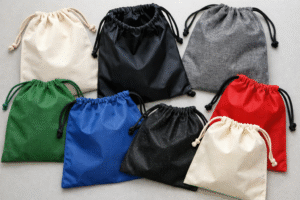
- Non-woven bags last for dozens of uses
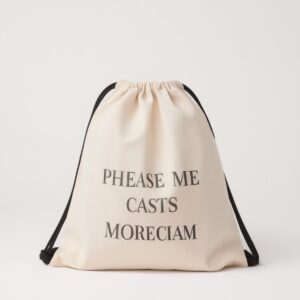
- rPET or cotton tote bags offer premium value
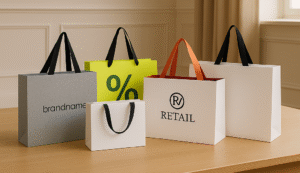
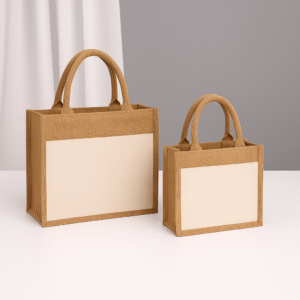
- Reinforced paper bags support apparel and gift retail
Reusable packaging works like a passive marketing tool —
every reuse exposes the retailer’s logo to new audiences.
Customers feel they are receiving “something useful,” not “something disposable.”
This simple psychology builds loyalty without additional cost.
## 5. Insulated Bags Upgrade Cold-Chain & Premium Retail Categories
Eco-friendly materials improve sustainability, but insulated bags solve temperature-sensitive challenges.
2024–2025 saw major growth in:
- Fresh grocery delivery
- Ready-to-eat meal takeout
- Cold-chain e-commerce
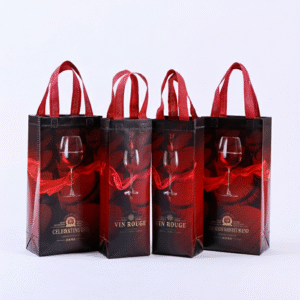
- Premium categories (wine, chocolate, cheese, seafood)
Insulated bags offer retailers:
- Reliable temperature control
- Protection against melting or spoilage
- Hygiene and contamination prevention
- Fewer customer complaints
- Better brand trust for high-end goods
Retailers increasingly use two-layer packaging systems:
- Eco-material outer bags → apparel, gifts, daily retail
- Thermal insulated bags → fresh, frozen, or premium items
This creates a complete and sustainable packaging upgrade for modern retail.
## Conclusion: A Practical Packaging Strategy for Retailers in 2025+
Retail success in 2025 requires packaging that does more than carry products.
Retailers need materials that reduce risk, strengthen branding, lower long-term cost, support cold-chain growth, and align with global sustainability expectations.
Eco-friendly packaging + insulated solutions provide the flexible toolkit retailers need to stay competitive and future-proof.
Contact JiaRong Packaging
Email: [email protected]
WhatsApp: +86-13868368539