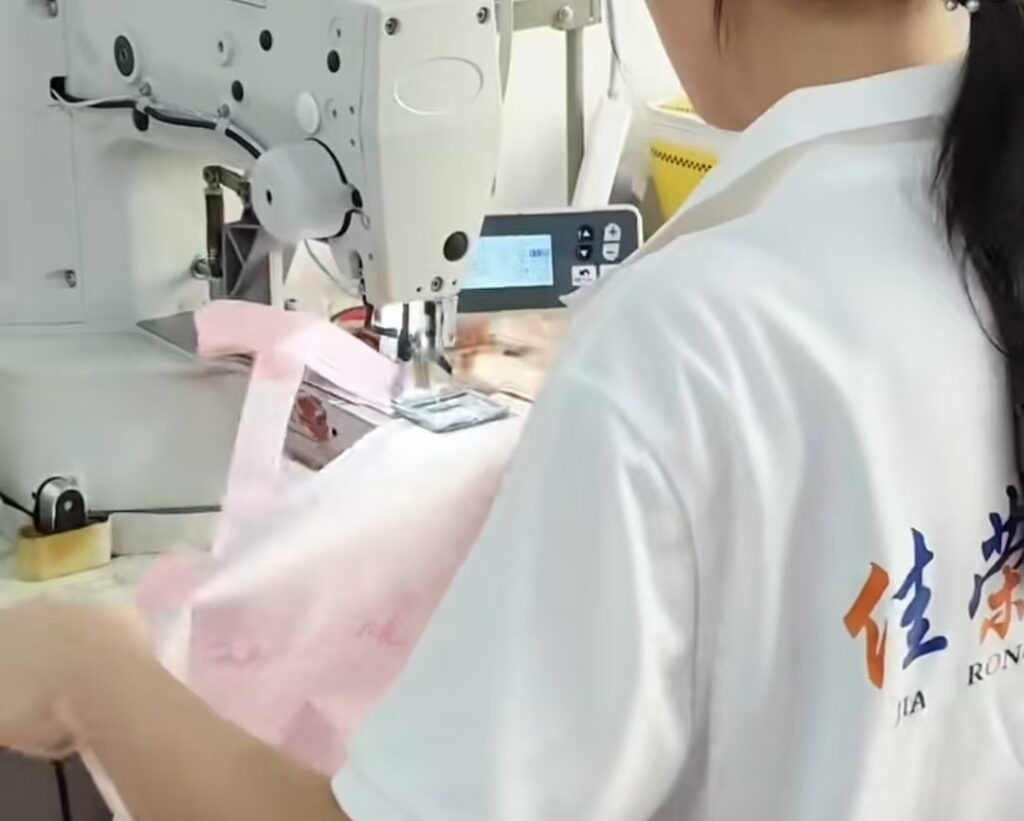
Drawstring Bag Pattern: Complete Guide to Styles, Materials, and DIY Sewing
Drawstring bags are simple yet incredibly versatile. They close securely with a gentle pull of a cord, making them easy to use in everyday life and business packaging alike. From eco-friendly cotton pouches to waterproof nylon backpacks, these bags balance function, style, and sustainability in one compact design.
1. What Is a Drawstring Bag?
A drawstring bag is a flexible container that uses cords or strings to close the top opening. When pulled, the cords tighten, protecting the contents inside.
Common Uses:
- Retail or gift packaging
- Promotional giveaways
- Gym and travel bags
- Daily storage for clothes, shoes, or accessories
Its simple structure, low cost, and wide customization options make it a favorite among both consumers and business users.
2. Main Styles of Drawstring Bags
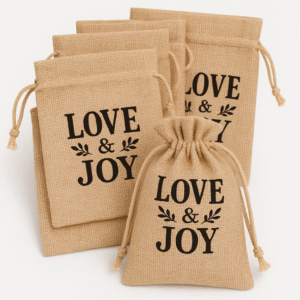
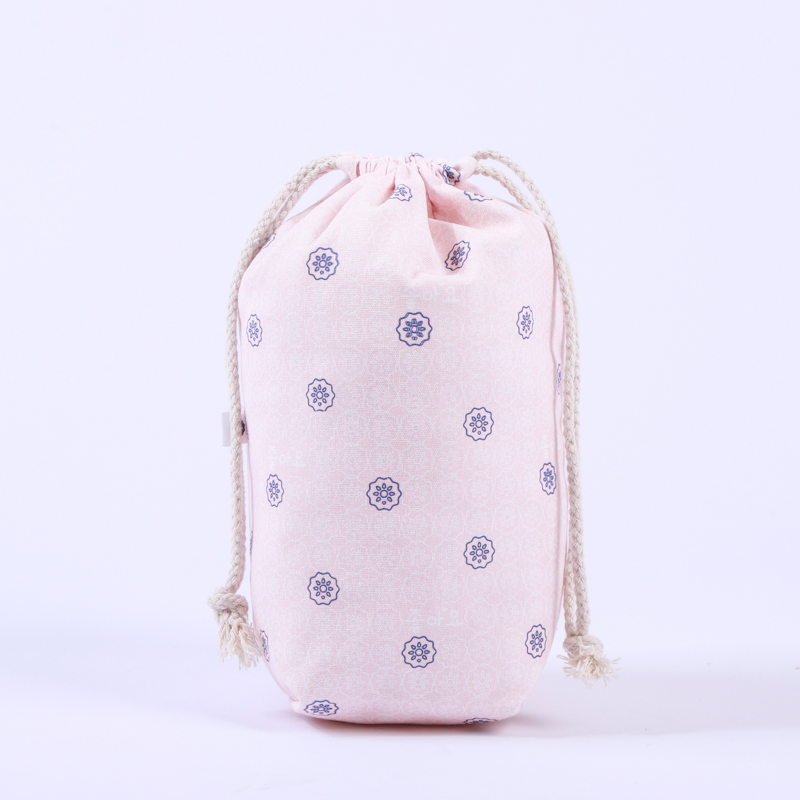
• Single Drawstring — One cord looped through the top. Common in small pouches for jewelry, cosmetics, or accessories.
• Double Drawstring — Two cords run from opposite sides, creating a tighter closure and balanced look. Ideal for medium-sized bags.
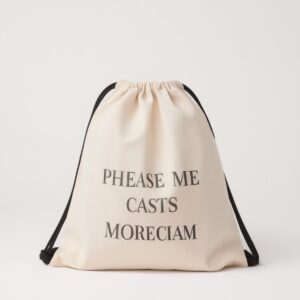
• Backpack Style — Features long cords that double as shoulder straps — widely used for sports, school, or travel.
• Flat Bottom Design — Includes a rectangular base so the bag can stand upright. Perfect for packaging food, shoes, or household items.
3. Common Materials and Their Characteristics
Each fabric offers unique texture, strength, and performance. Choosing the right one depends on purpose, budget, and brand image.
Cotton Drawstring Bags
Cotton is loved for its natural touch, biodegradability, and eco-friendly appeal. It gives products a clean and sustainable image—ideal for brands looking to reduce plastic use.
Advantages:
• Soft texture that enhances product value
• Naturally breathable; keeps contents fresh
• Easy to print or embroider
• 100% biodegradable and recyclable
Disadvantages:
• Lower tear resistance than synthetics
• Absorbs moisture and stains easily
• May shrink slightly after washing
Best for: Retail packaging, eco-brand promotions, reusable gift bags, kids’ accessories
Care Tips: Hand wash gently in cold water and air dry.
Canvas Drawstring Bags
Canvas is a thick woven fabric made from cotton or blends. It offers strength and structure, suitable for daily or heavy-duty use.
Advantages:
• Highly durable and tear-resistant
• Maintains shape even when full
• Works well with silk or screen printing
Disadvantages:
• Heavier than other materials
• Absorbs water unless treated
• Requires more effort to clean
• Gains a “stylish vintage” look over time
Best for: Premium gift packaging, travel bags, branded merchandise
Care Tips: Spot clean; apply water-repellent coating for longevity.
Polyester Drawstring Bags
Polyester is cost-effective and easy to maintain—perfect for mass orders or promotional events.
Advantages:
• Lightweight yet strong
• Can be coated for waterproofing
• Excellent color retention
• Very affordable for bulk production
Disadvantages:
• Non-biodegradable
• Less breathable and natural-feeling
Best for: Promotional giveaways, sports events, travel campaigns
Care Tips: Machine wash cold; tumble dry low.
Nylon Drawstring Bags
Nylon is known for high strength, flexibility, and weather resistance—ideal for outdoor and sports use.
Advantages:
• Extremely strong and durable
• Naturally water-resistant
• Smooth, professional appearance
• Long lifespan even under frequent use
Disadvantages:
• Slightly more expensive than polyester
• Sensitive to heat during printing
• Color may fade under strong sunlight
Best for: Outdoor gear, sports, waterproof pouches
Care Tips: Hand wash; hang dry to protect coating.
Specialty & Premium Fabrics
• Velvet or Satin — Luxurious finish for jewelry or beauty packaging
• Mesh Fabric — Breathable, ideal for shoes or sports items
• Recycled PET (RPET) — Sustainable, made from recycled bottles
• Faux Leather or Suede Panels — Premium accents for luxury branding
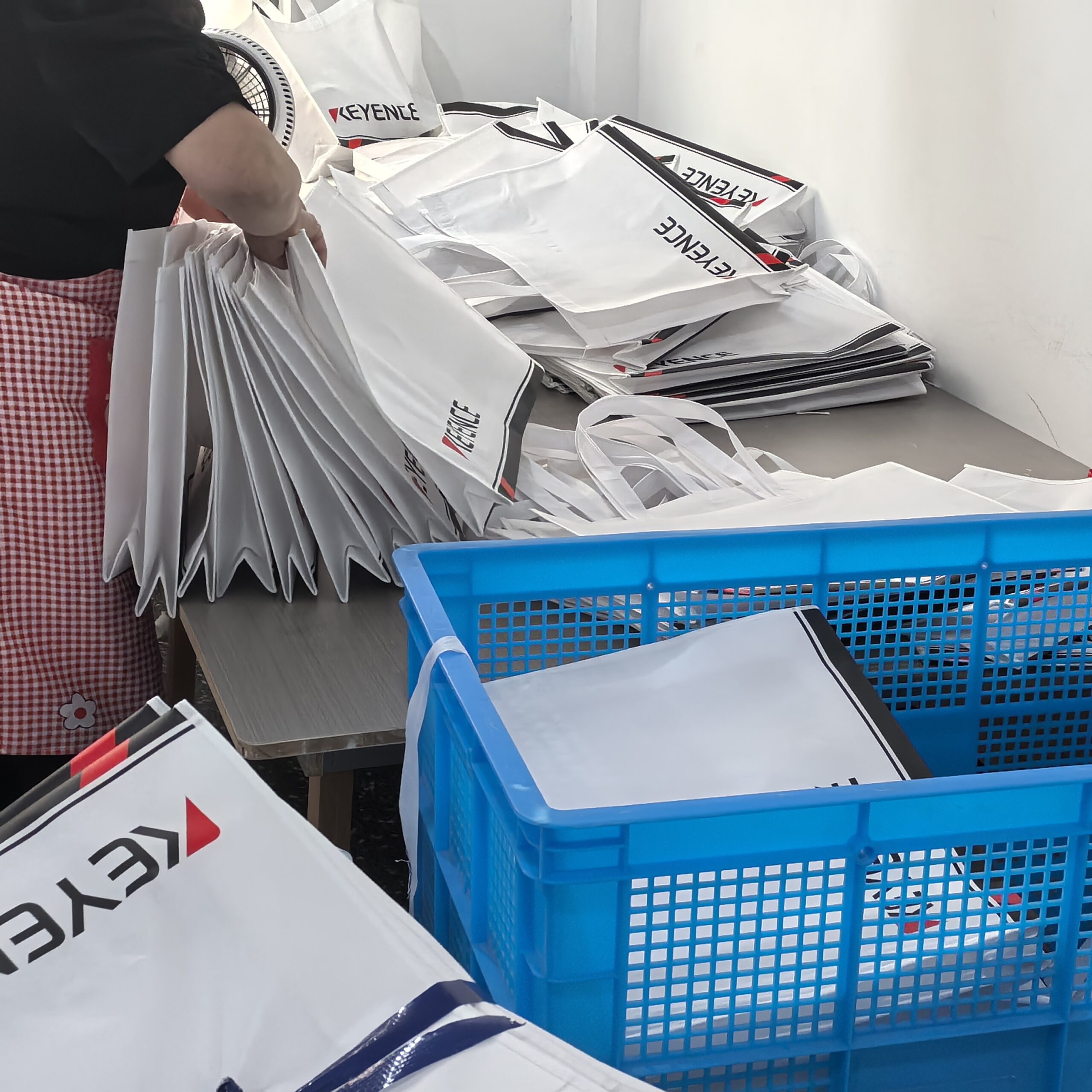
4. The Making of a Drawstring Bag
Behind its simple look lies a precise production process. Quality depends on accuracy at every step.
Main Steps:
- Fabric Cutting — Materials such as non-woven, cotton, or canvas are cut to size.
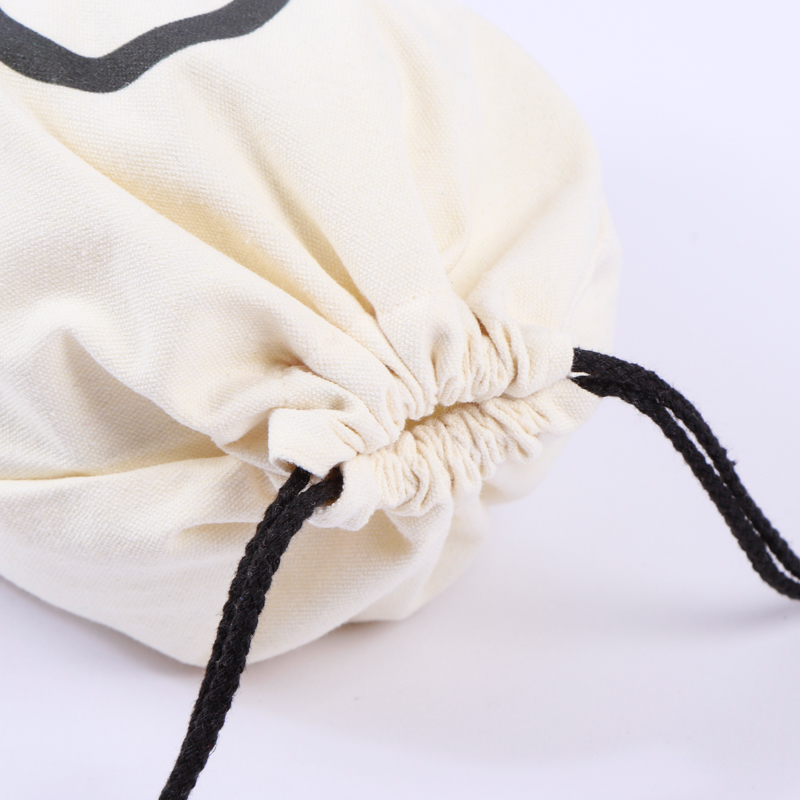
- Edge Folding — The top edge is folded to form a tunnel for cords.
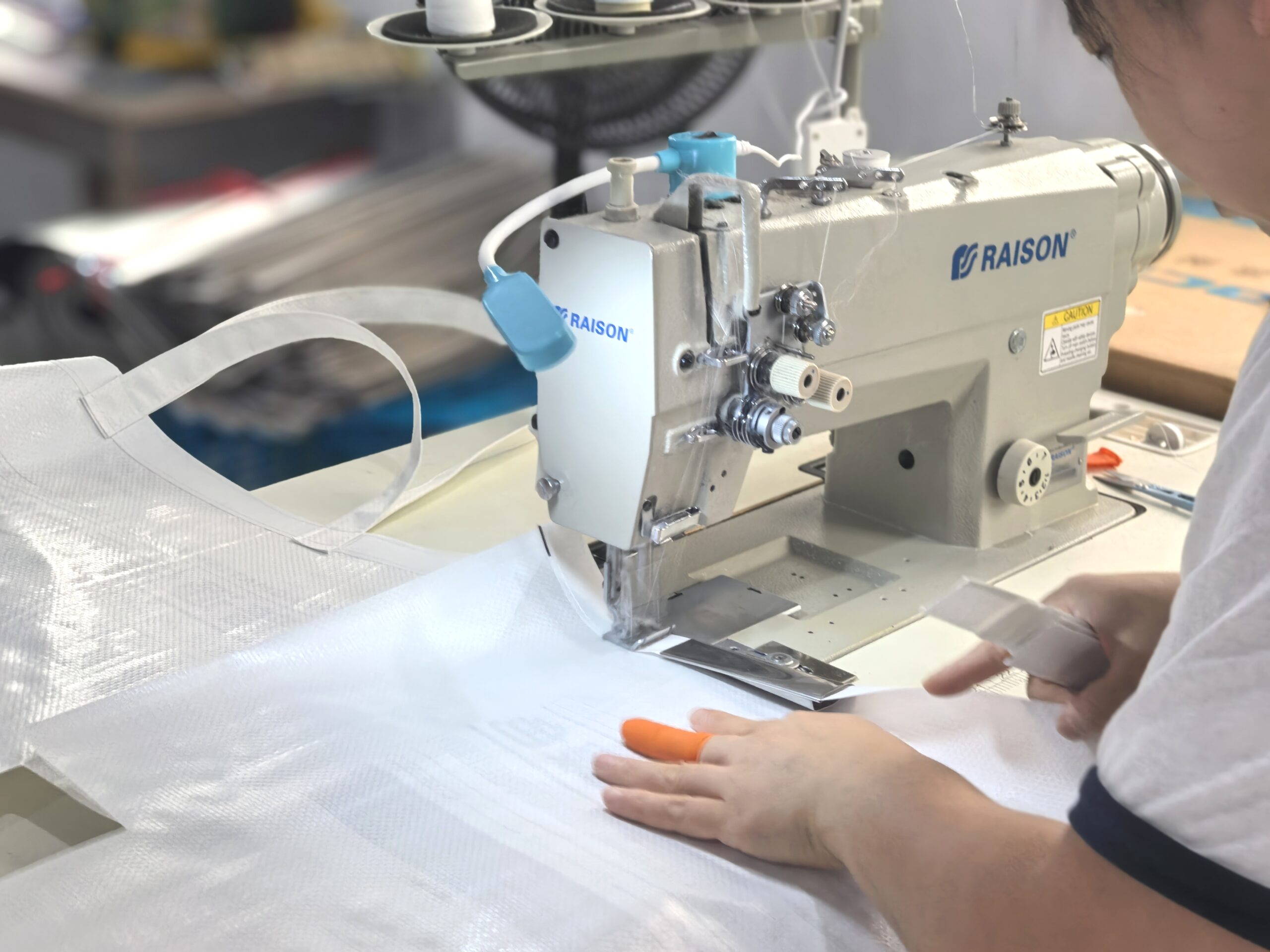
- Sewing or Sealing — Depending on the fabric, the bag body is stitched or heat-sealed.
- Cord Insertion — Strings or ribbons are threaded through the tunnel manually or by machine.
- Finishing — Knotting, logo printing, and inspection ensure consistency.
5. Pattern Design and Sewing Tips
For DIY creators or small brands, understanding the pattern helps control cost and quality.
Basic Structure:
• Main body (two fabric panels)
• Casing (top tunnel for cords)
• Drawstrings (cotton rope or ribbon)
• Optional base panel (adds strength and volume)
Sewing Steps:
• Cut two equal fabric pieces.
• Fold and sew the top edge for the tunnel.
• Stitch sides and bottom.
• Turn bag right-side out.
• Insert cords and tie knots.
Tip: Reinforce corners on larger bags to prevent tearing.
6. Design Variations and Custom Ideas
• Add lining for structure and premium touch.
• Use contrast cords for visual appeal.
• Combine fabrics (cotton + mesh or PU) for unique texture.
• Add custom printing for brand visibility or events.
7. Final Thoughts
Drawstring bags are more than just packaging — they combine practicality and design. Their light weight, flexibility, and easy customization make them suitable for nearly every market, from daily consumers to retail and corporate clients.
As sustainability becomes a global trend, drawstring bags continue to rise in popularity. Whether made from cotton, canvas, or modern synthetics, the right combination of material and craftsmanship transforms a simple bag into a lasting ambassador for any brand.
Contact Information
Email: [email protected]
WhatsApp: +86-13868368539